SUA brought together international stakeholders around accessible learning
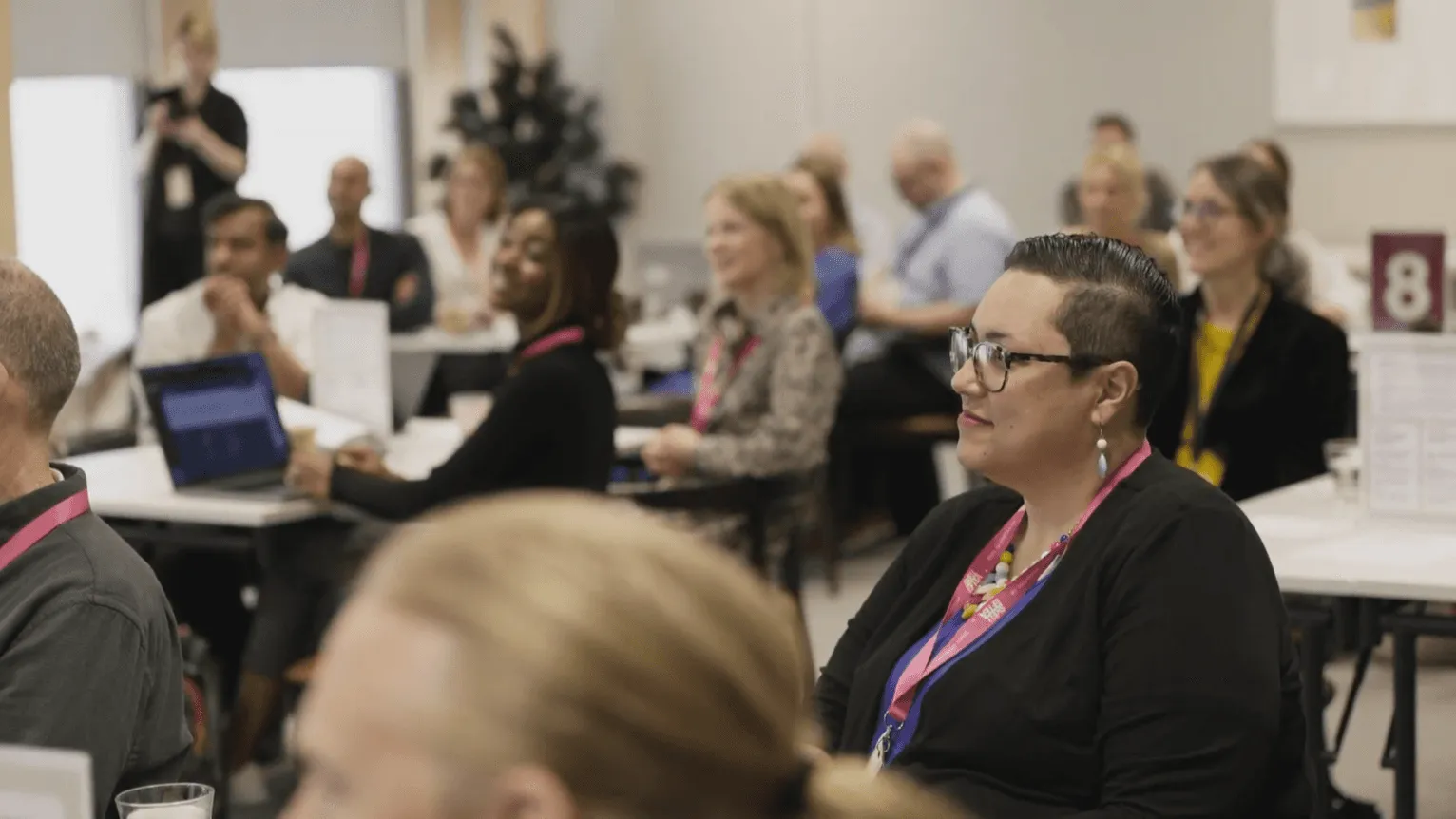
International perspectives, local experience and concrete questions about the future. These defined Thursday’s Think Tank: Accessible Education for Sustainable Impact, a collaboration between Skellefteå Universities Alliance and MIT Open Learning.
How do you make knowledge genuinely accessible, and not just open in theory? How do you create learning that actually leads to change in everyday life? And what role should AI play when decisions need to be turned into practical action?
These were some of the questions that recurred throughout the day, as participants from academia, business and the public sector gathered for conversations about the future of learning and sustainable development.
The discussions centred on three main tracks. The first concerned open education as a driver of sustainability, and how knowledge can become more useful, inclusive and possible to put into practice. Another focus was on how organisations can move from one-off initiatives and isolated training courses to more continuous learning as a natural part of everyday work.
The third track turned its attention to AI. The conversations explored, among other things, how organisations can move from analysis to real action, while keeping human judgement and ethical perspectives at the centre.
“It was an inspiring day, with many people contributing knowledge, ideas and important perspectives – above all in conversations about how accessible education can contribute to sustainable and positive social development for future generations.”
“It was an inspiring day, with many people contributing knowledge, ideas and important perspectives – above all in conversations about how accessible education can contribute to sustainable and positive social development for future generations,” says Peter Mandalh, CEO of SUA.
Over the coming weeks, insights, data and conclusions from the sessions will be compiled and shared with others working in open education.