SUA recruits Olof Gränström: “Knowledge has to be understandable to make an impact”
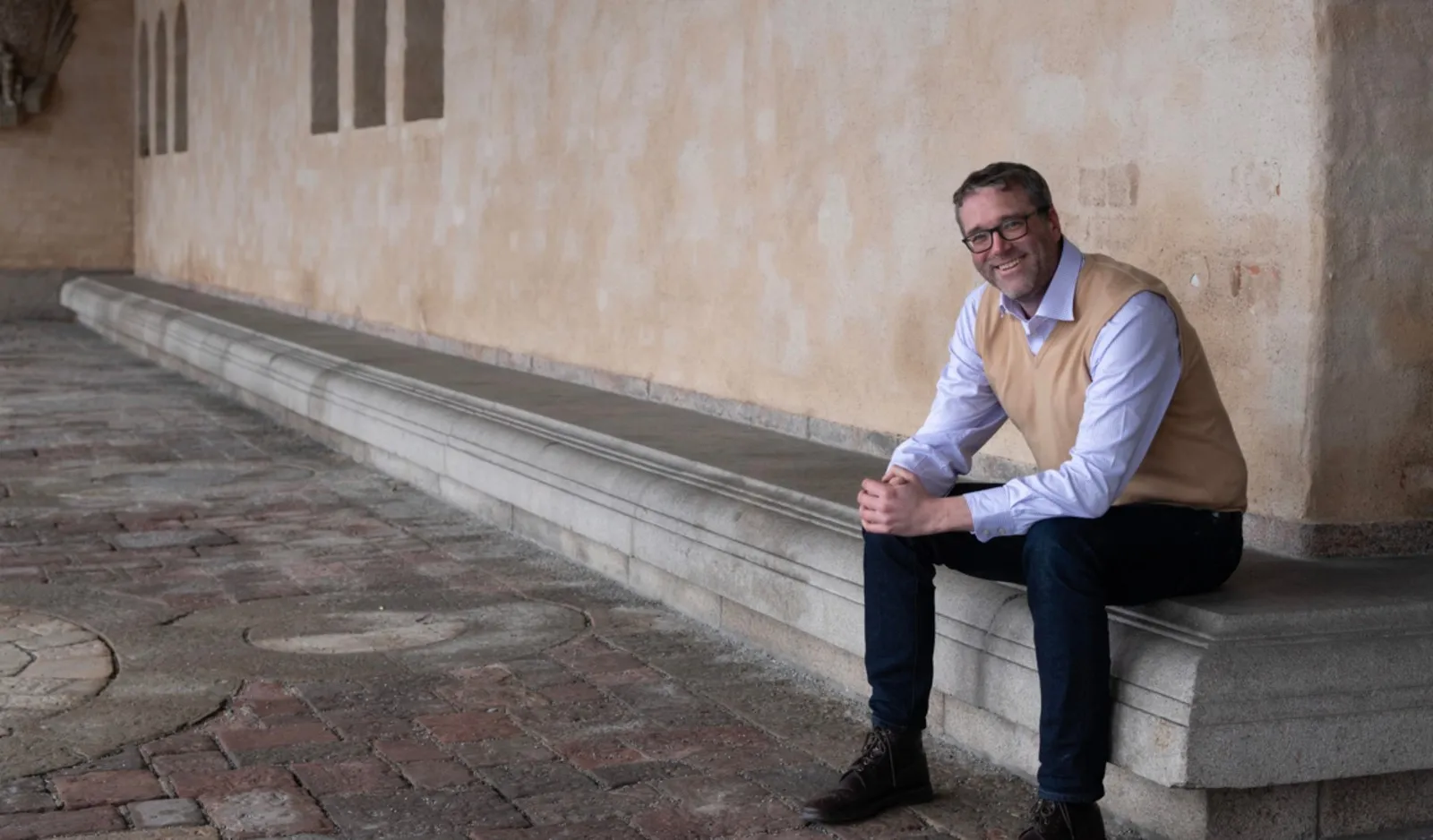
With a background as a social analyst and experience from organisations such as Gapminder and companies such as Novus, Olof Gränström is joining Skellefteå Universities Alliance. His focus is clear: to put facts in context, break down persistent myths and make the learning of the future genuinely useful.
When Olof Gränström talks about the sustainable transition, technology is rarely at the centre. Instead, he keeps returning to how we interpret facts and which stories we choose to hold on to.
“One of the most persistent myths is that the green transition is much more expensive. In reality, it is often a matter of not allocating the costs correctly. The technology largely exists already. The challenge is to use what we have and to get society to absorb the change,” he says.
Analysing social development, putting data in context and making complex relationships understandable has been the common thread throughout Olof’s career. Trained as a political scientist and economist, he has worked as a social analyst, senior adviser and consultant. He has extensive experience of building data-driven narratives that help organisations understand the times they live in and make better decisions.
“AI is an enormous force, but it also makes human abilities more important. At the same time, AI can help us come better prepared to complex issues. It changes the conditions, but not the need for critical thinking, collaboration and relationships.”
An important part of that experience comes from his time at Gapminder, where he worked closely with Hans Rosling and collaborated with organisations such as the Bill and Melinda Gates Foundation and the IKEA Foundation.
“It was very much about breaking down mental barriers. Why don’t we see the world as it is? Hans Rosling was early in designing learning and communication around the recipient. You don’t own the recipient’s frame of reference, but you have to understand it.”
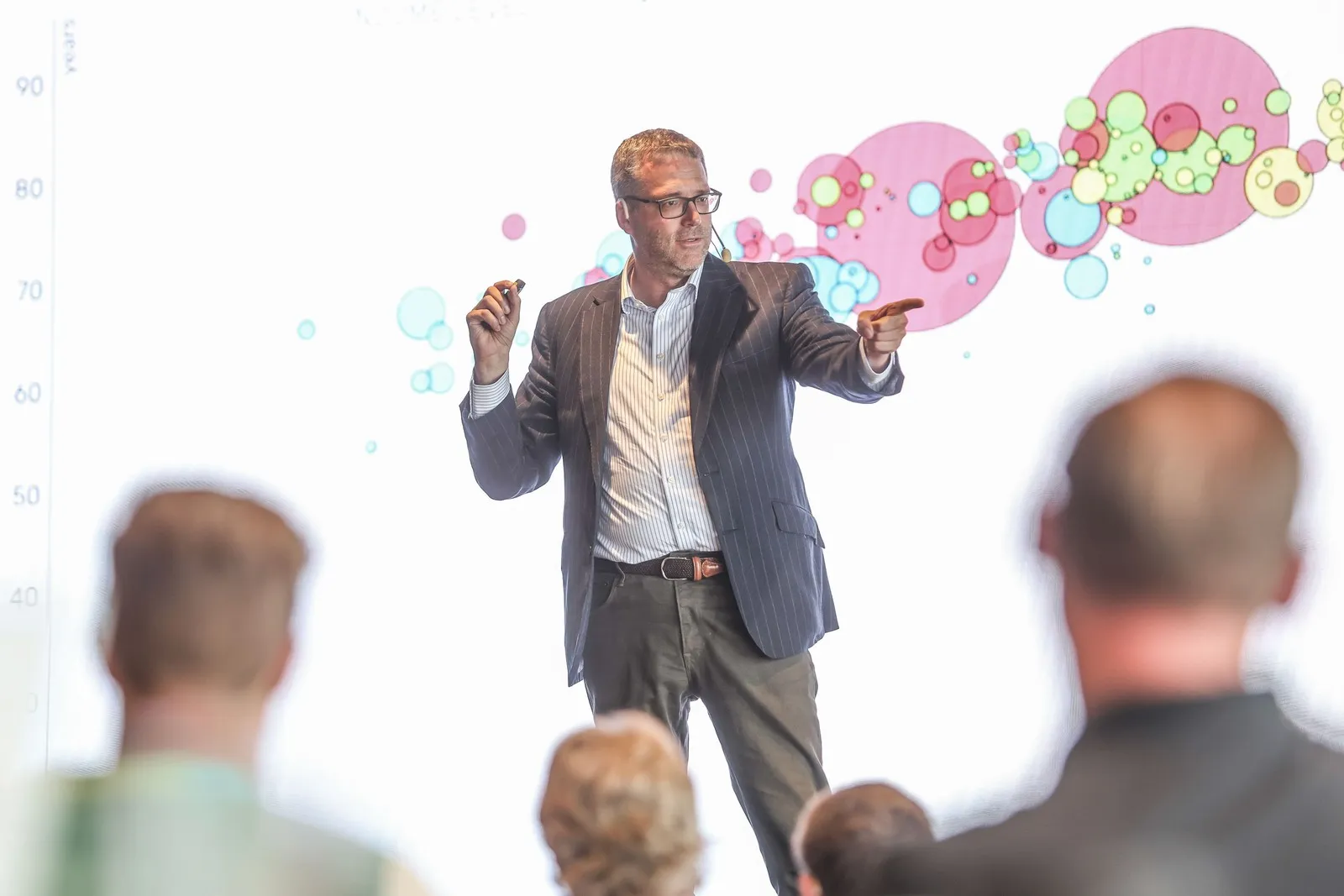
Alongside this, Olof has had a strong presence in the media and public debate. He is a sought-after speaker, frequently appears on programmes such as TV4 Nyhetsmorgon and on SVT, and is currently engaged as an expert by the Swedish Council for Higher Education (Universitets- och högskolerådet).
It was the combination of analysis, learning and practical application that drew him to Skellefteå Universities Alliance.
“We are facing a change in what learning is. At the same time, northern Sweden is in the middle of an industrial transformation. Even though individual events, such as Northvolt’s bankruptcy, attract a lot of attention, they are often just blips on the curve. The need for new skills and new ways of learning is long-term, and these issues are usually dealt with separately. What appealed to me about SUA is that it connects them.”
“Knowledge that can’t be used doesn’t create change.”
In the discussion about the future of learning, Olof believes that we in Sweden underestimate the interpersonal dimension.
“AI is an enormous force, but it also makes human abilities more important. At the same time, AI can help us come better prepared to complex issues. It changes the conditions, but not the need for critical thinking, collaboration and relationships.”
At SUA, Olof will contribute to, among other things, the development of advanced programmes focused on problem-solving in sustainability fields, and to the work on the testbed for the learning of the future. The ambition is to work with the entire ecosystem around areas such as electrification, from cutting-edge research to popular education.
“We need education at every level. Upskilling, popular education and the ability to engage more people. Knowledge that can’t be used doesn’t create change.”
What he looks forward to most in his new role is the interplay within the team.
“It is an unusually broad and diverse group of people, with different skills and perspectives. I think I will be surprised by what our work actually leads to. And that is exactly where I want to be.”